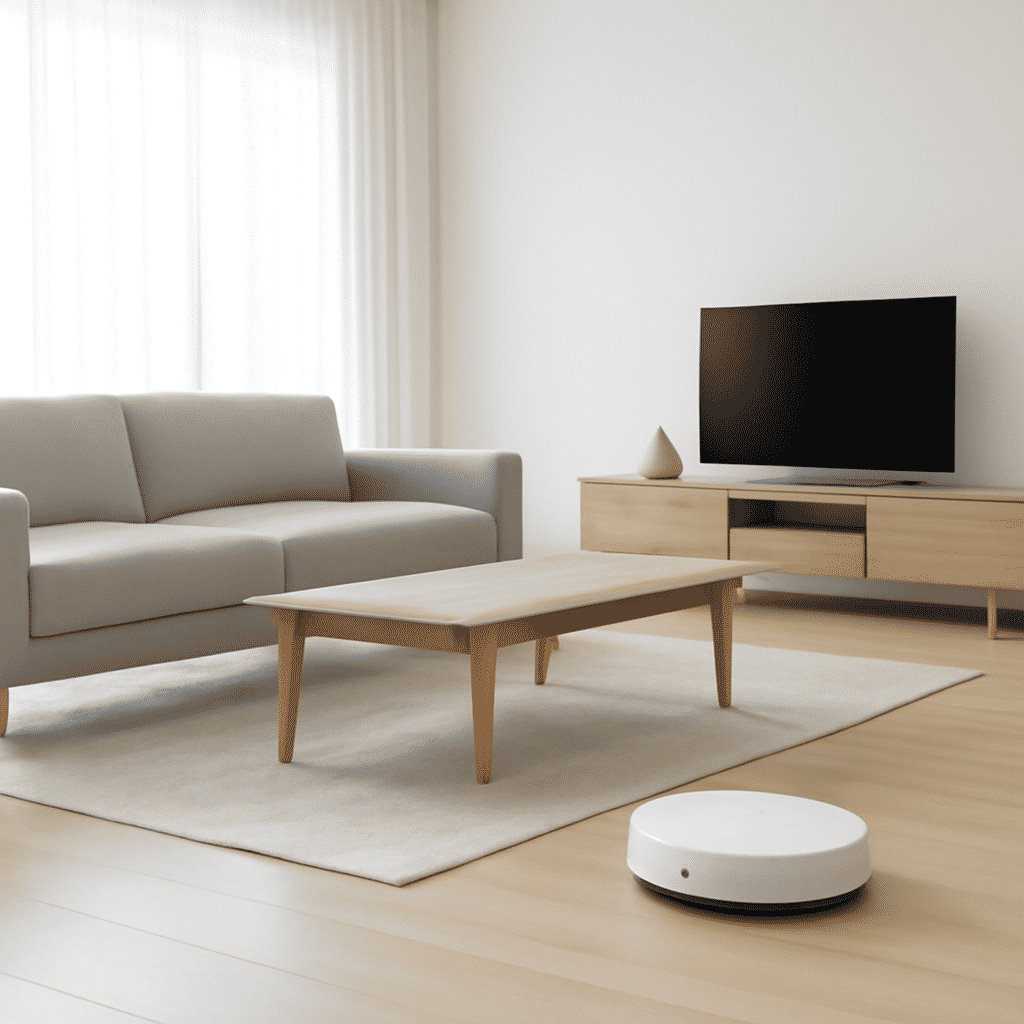
In today's fast-paced world, the demand for convenience and efficiency continues to grow, leading to significant advancements in robotics and automation. Among various domains, home cleaning is undergoing a transformation, promising to make everyday chores simpler and more effective. As technology continues its steady march forward, robots and smart devices are becoming integral to how we manage household tasks, revolutionizing the concept of cleanliness in the home.
The advent of robotic vacuums represents one of the most significant advancements in home cleaning technology. These smart devices navigate effortlessly across different flooring types, avoiding obstacles and making adjustments as needed. Equipped with sensors and mapping technologies, they can clean large areas methodically, ensuring thorough coverage. Some models integrate artificial intelligence to learn the layout of rooms over time, optimizing cleaning paths for maximum efficiency. Users can schedule cleaning, set boundaries, or even control them remotely via smartphone apps, merging convenience with performance.
Beyond vacuuming, robotic mops are gaining traction, offering solutions for homes with extensive hard flooring. These devices utilize advanced water distribution mechanisms and microfiber pads to scrub away dirt and grime efficiently. Like their vacuum counterparts, many robotic mops come with capabilities to map out areas and offer scheduling through smart devices, minimizing human intervention.
The influence of robotics extends into the realm of air purification. Smart air purifiers equipped with HEPA filters and AI technologies adapt to real-time air quality metrics, automating the purification process to maintain optimal home environments. Using integrated sensors, they can detect pollen, dust, and other pollutants, automatically adjusting their settings to ensure clean and fresh air continuously.
In the kitchen and bathroom, robotic cleaning aids include self-cleaning ovens, dishwashers with AI-directed cycles, and even robotic scrubbers designed for tile surfaces. These devices assess the degree of dirtiness and adjust their cleaning mechanics accordingly, reducing water and energy consumption while increasing efficacy.
The integration of smart technology doesn't stop at individual devices; instead, it's moving toward creating a cohesive smart home ecosystem. Through platforms like Amazon Alexa, Google Assistant, and Apple HomeKit, users can orchestrate a unified home cleaning schedule, linking various devices to work together seamlessly. This interconnectedness allows for cross-device communication, where a vacuum will pause its cycle if someone has just entered the room, or an air purifier will increase filtration when the vacuum stirs up dust.
Looking forward, the future of home cleaning points toward further pioneering innovations. Concepts like drones for window cleaning, robotic waste sorters to revolutionize recycling, and even autonomous outdoor maintenance devices such as lawn mowers and pool cleaners are on the horizon. With advancements in machine learning and AI, these tools are expected to become more intuitive, adapting to personal preferences and enhancing personalized home care solutions.
The shift towards automated and robotic cleaning solutions presents not just an increase in ease but also in sustainable living. Many devices are built to maximize energy efficiency and are made from environmentally friendly materials, thus reducing the carbon footprint. As technology continues to progress, these elements will likely become more pronounced, contributing to eco-conscious households.
In conclusion, the future of home cleaning lies in the hands of robotics and automation, promising to redefine the norms of domestic upkeep. By embracing these innovations, homeowners can look forward to a time where chores are not only more manageable but also more precise and effortless than ever before. Ultimately, as these technologies continue to evolve, they will transform our living spaces, enabling a lifestyle where homes can nearly maintain themselves.